

2026/06/24
The textile waste recycling production line market has long centered on the Asia-Pacific region. Tiruppur, Pune and other regions in India generate tens of millions of tons of textile waste annually, supporting over 20,000 recycled fiber manufacturers. The cotton textile belts in Lahore and Faisalabad, Pakistan, hold massive reserves of cotton waste. Bangladesh’s highly concentrated textile processing industry also yields huge volumes of industrial waste. The steady expansion of these traditional markets lays a solid foundation for the global textile recycling sector.
Starting in 2025, the European market has surged to become the fastest-growing region worldwide with a growth rate of 5.3%, led by major purchasers including Germany, France, Italy and Belgium. This shift stems from overlapping drivers: policy mandates, carbon emission reduction pressures and economic benefits.
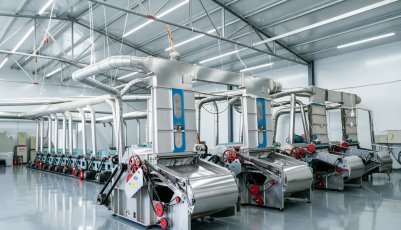
The global textile and apparel industry emits around 1.2 billion tons of greenhouse gases each year, exceeding the combined emissions from international air and maritime shipping. Cotton cultivation and chemical fiber manufacturing account for the bulk of carbon output. The EU Product Environmental Footprint (PEF) standard has become a market access threshold, requiring full life-cycle carbon accounting for all textile products.
Recycled fibers deliver remarkable emission reduction benefits: recycled cotton cuts carbon emissions by approximately 60%–70% compared to virgin cotton, while recycled polyester slashes carbon footprints by 50%–80%. Opening and recycling production lines reintroduce discarded textiles back into manufacturing cycles, avoiding methane and CO₂ emissions generated by land filling and incineration, while drastically lowering the carbon costs of virgin material extraction and processing.
Between 2025 and 2026, the EU rolled out three core regulations forming the world’s strictest circular economy framework for textiles:
| Policy Name | Effective Date | Core Provisions | Direct Impacts on Equipment Demand |
Waste Framework Directive (Extended Producer Responsibility, EPR) | Oct 16,2025 | Mandatory EPR schemes; eco-adju stment fees levied based on recycled fiber content | Higher recycled content reduces levies, forcing enterprises to invest in recycling production lines |
ESPR Ecodesign Regulation | Feb,2026 | Minimum recycled fiber share of 15% by 2030 and 30% by 2035; 85% of feed stock must post-consumer domestic textile waste | Statutory minimum standards create rigid demand for textile opening equipment |
Textile Destruction Ban | Jul 19, 2026 | Large enterprises prohibited from destroying unsold apparel; goods must be sent to recycling lines or resold second-hand. | Surplus inventory requires opening treatment, spurring sharp growth in equipment procurement. |
Operating across three dimensions — financial penalties under EPR, binding recycled content standards, and bans on waste disposal — these policies internalize carbon costs, transforming textile opening lines from optional auxiliary machinery into mandatory strategic assets.
Lower Raw Material Costs Recycled fibers are generally cheaper than virgin alternatives. Integrated production lines combining opening, washing and dust removal convert low-value textile scraps into high-value recycled feedstock, directly cutting overall manufacturing expenses.
Regulatory Risk Mitigation Under EPR systems, non-compliant products face steep eco-fees or full market bans. Investing in recycling lines secures regulatory eligibility and avoids costly financial penalties.
Enhanced Market Competitiveness Global fashion brands including Zara, H&M and Adidas have pledged to raise recycled fiber ratios. In-house recycling capacity grants
suppliers stronger bargaining power. European local production lines additionally serve brands with shorter supply chains and lower logistics carbon footprints.
Emerging Industrial Hubs Regions such as Egypt, Turkey, Nigeria and Ethiopia import sorted textile waste from Europe and North America for processing, forming new trade chains spanning waste import to finished recycled goods export, which drives local job creation and industrial upgrading.
EU policies act as a critical catalyst, yet they are far from the sole growth driver:
Global Climate Consensus Over 150 countries and territories have set carbon neutrality targets, and the textile industry’s high carbon intensity places it under strict regulatory scrutiny worldwide.
Resource Scarcity Constraints Cotton farming faces severe water shortages, while synthetic fiber production is vulnerable to volatile fossil fuel prices. Recycled fibers provide a stable secondary raw material supply channel.
Consumer-Driven Pressure Shoppers increasingly prioritize eco-labels and traceable carbon footprints when making purchases, pushing brands and manufacturers to deploy in-house recycling production lines.
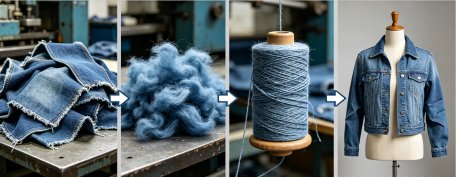
Textile opening and recycling production lines have evolved into multi-functional strategic assets that deliver carbon emission cuts, regulatory compliance, cost control and revenue growth simultaneously. The industry is rapidly expanding its global footprint, covering established Asia-Pacific manufacturing bases, policy-driven European markets, and emerging processing hubs across Africa and the Middle East.
As carbon footprints become quantifiable cost metrics, recycled fiber ratios turn into legal requirements, and sustainability translates into tangible market advantages, the strategic value of textile waste recycling lines continues to rise. These systems simultaneously divert tens of millions of tons of textile waste from landfills and slash industrial carbon emissions, while unlocking genuine economic gains for manufacturers navigating the global green transition. This represents a convergence of environmental stewardship and commercial logic, marking an indispensable path for the sustainable development of the textile industry.