


Textile waste recycling machine is specialized equipment for efficient processing and recycling of textile waste. It integrates functions such as shredding, cutting, sorting, and cleaning, enabling it to handle various materials including fabrics, yarns, and related items. The machine converts waste into reusable fibers or components, reducing environmental impact and promoting resource conservation.
The core value of a textile waste recycling production line lies in its continuous process of shredding, opening, sorting, and dust removal, which converts waste fabrics into high-purity recycled fibers as a substitute for virgin raw materials. At the same time, it reduces disposal costs and environmental burden, serving as a keytechnological pathway for enterprises to achieve circular economy, meet environmental compliance, and fulfill
ESG goals.
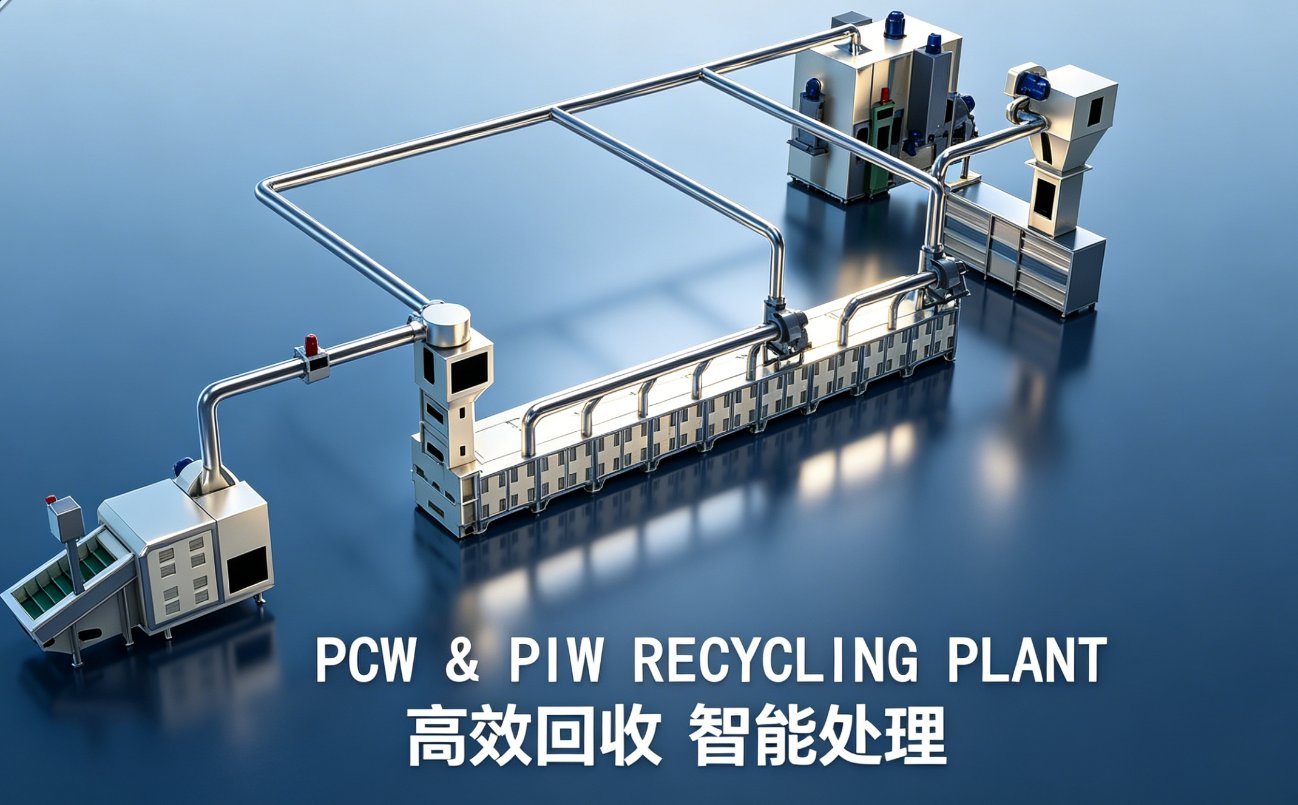
Technical Specifications
Model No. | MKS600 | MKS400 | MSL250 |
Capacity | 350-400kg/h | 300-350kg/h | 200-250kg/h |
Roller size | 600x100mm | 400x1000mm | 250x1000mm |
Dust case | 5.5kw fan to transport materail | 500x1000mm | 500x1000mm |
Power | 30kw, 3kw | 18.5kw | 11kw/two roller |
Weight | 2500kg | 1200kg | 750kg |
The application of textile waste recycling machines spans the entire chain, from production waste to post-consumer garments and then back to new products, making them a key link in enabling a circular economy for the textile industry.
1. Industrial Production Waste Processing
This is currently the most technologically mature and widely applied direction. It mainly processes by-products, waste yarn, and fabric scraps generated during textile and garment manufacturing. These wastes have a relatively single composition and high cleanliness, offering great recycling value. The recovered fibers can basically be directly reused in production
2,Post-consumer waste
This is currently the technological focus. It processes discarded old clothes, bed sheets, towels, etc. from our daily lives. The difficulty lies in the complex composition (often containing blends like polyester and spandex) and the need to first remove impurities such as zippers and buttons
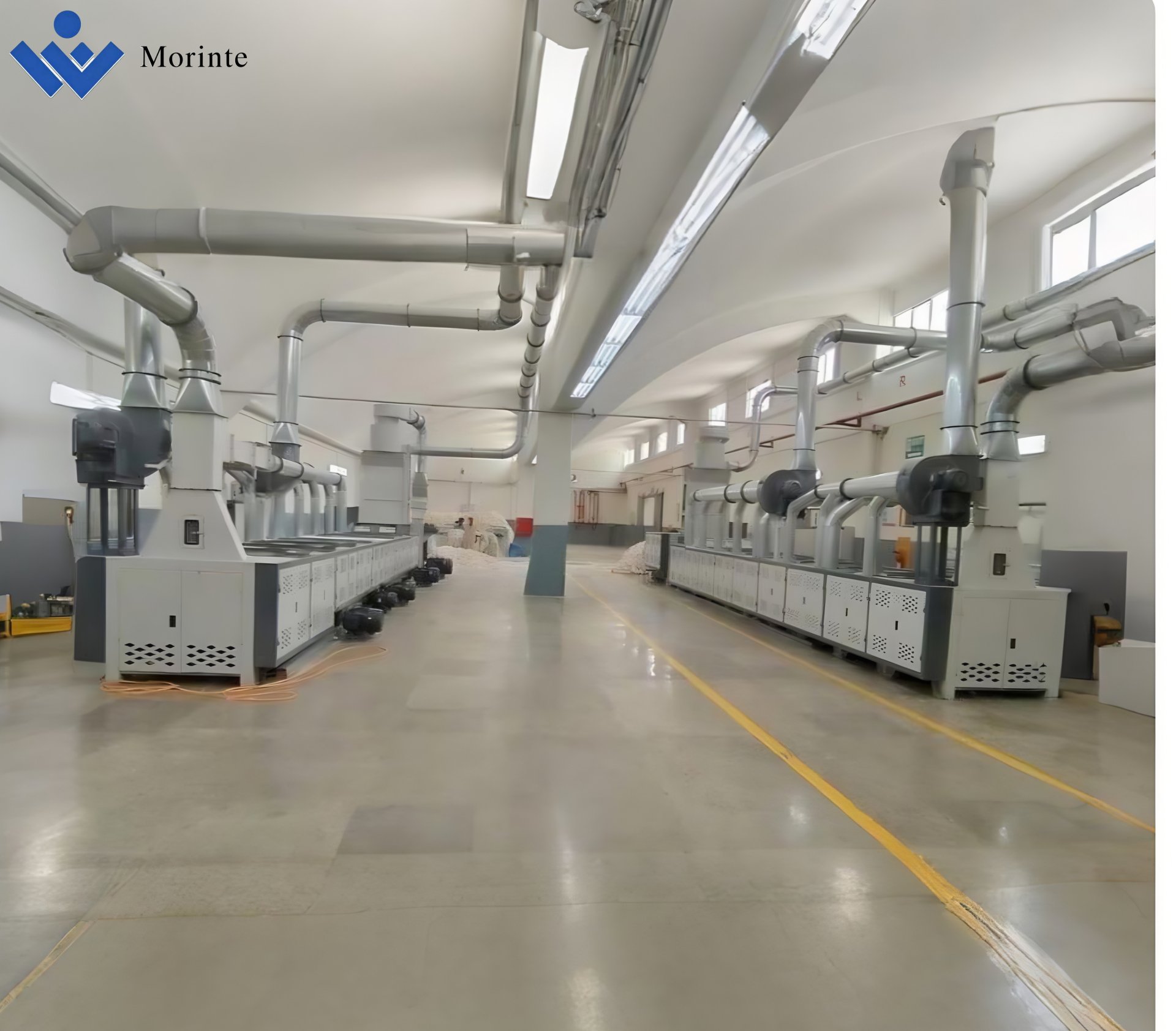
The EU's mandatory requirement to add recycled fibers in textiles has upgraded the waste cotton recycling machine from a "cost-saving and efficiency-improving auxiliary equipment" to a "strategic asset for gaining market access." Combined with multiple pressures such as carbon tariffs, carbon labels, and environmental compliance, the waste cotton recycling machine has become essential equipment for textile companies to maintain export competitiveness and secure their access to the EU market.
1. Environmental Protection: From "Waste Disposal" to "Resource Regeneration"
The textile industry is the second largest polluter in the world. The waste cotton recycling machine uses mechanical opening and cleaning technology to convert waste cotton that would otherwise be landfilled or incinerated into renewable resources:
Reduces waste pollution: Prevents the generation of methane from landfill and toxic gases such as dioxins from incineration
Saves water resources: Recycling one ton of waste cotton fiber can save thousands of tons of water compared to growing virgin cotton
Lowers carbon footprint: The energy consumption of mechanical recycling is far lower than the entire chain of virgin cotton cultivation, processing, and dyeing
Promotes circular economy: Achieves a closed loop of "waste → fiber → product", reducing dependence on natural resources
2. EU CBAM Carbon Tariff: Carbon Footprint Becomes a Financial Cost
The EU Carbon Border Adjustment Mechanism (CBAM) is the world's first carbon tariff mechanism. It was officially implemented on January 1, 2026, and will be expanded to cover 180 downstream products in 2028. Textile and apparel products are expected to be included around 2030.
Cost quantification: A study from Bangladesh shows that apparel exports to the EU could face an additional 4.8% carbon tariff
The role of the waste cotton recycling machine: The carbon footprint of recycled fibers is much lower than that of virgin fibers. Using recycled fibers can directly reduce the carbon footprint of products, thereby lowering or avoiding carbon tariffs.
Time frame | Key Measures & Requirements | Explanation |
2025 | Mandatory separate collection of textile waste | Provides the raw material base for recycling; start of regulatory transition period |
2027 | Introduction of Digital Product Passports (DPP); ban on destruction of unsold textiles | Establishes a material traceability system; closes loopholes for non-circular disposal |
2028 | First mandatory recycled fiber content target (≥10%) | This is the clearest and earliest compliance threshold to date. |
2030 | Increased recycled fiber content target (approx. 15%) | Policy enters an acceleration phase; standards are further raised. |
2035 | Achievement of higher circularity goals (approx. 30%) | Long-term mature goal; the industry completes its structural transformation. |
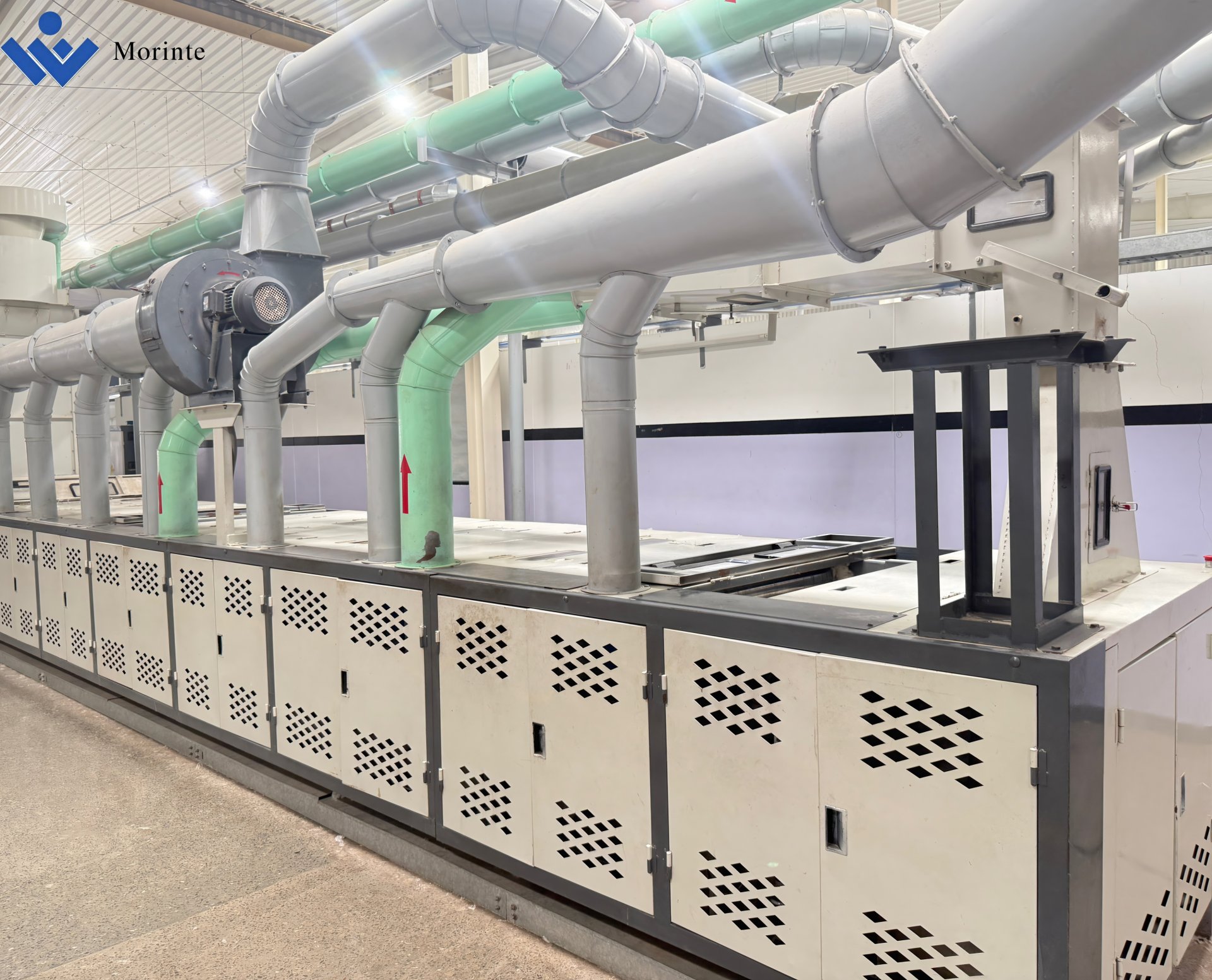
Sparks generated by the collision of stones or hard impurities with high-speed rotating metal components (such as opener rollers and crusher blades) are indeed the primary fire hazard in the textile waste recycling process. Regarding how to prevent sparks caused by hard objects like stones entering the machinery, the professional solution is not a single measure but rather the construction of a multi-layered protection system consisting of "source prevention + in-process detection + source interception."
Before materials are fed onto the conveyor belt, a manual sorting station is set up. Operators visually inspect and feel the materials, directly picking out visible impurities such as stones, metals, and large hard plastics. Although this method seems basic, it is the most effective and lowest-cost first line of defense. For raw materials with high impurity content (e.g., textile waste recovered from construction debris), this step is critical.
A heavy material settling tank or gravity separator is designed and installed at the end of the feed conveyor or at the entrance to the main machine. The principle leverages the density difference between stones and cotton/fluff/fabric pieces:
Cotton lint, fibers, and fabric fragments: being lightweight, they are carried into the main unit by air currents or high-speed feeding rollers. Gravel and metal: being heavier, they fall into the discharge outlet at the bottom of the sedimentation tank due to inertia, thus being separated before entering the main unit. This is a key device to prevent hard objects from entering the core working area.
A strong magnetic separator (permanent magnet or electromagnetic) is installed above the conveyor belt or at the material drop point. Although magnets cannot directly attract stones, they can remove metal objects associated with stones, such as iron nails, iron filings, and broken needles, thereby indirectly reducing the possibility of sparks caused by metal-stone collisions
As you mentioned earlier, a metal spark detector is installed (some high-end models can detect characteristic frequencies generated by stone impacts). Once a spark or abnormal impact signal is detected:
Audible and visual alarm – alerts operators to take action.
Automatic interlocking shutdown – prevents the hazard from escalating.
Automatic spray extinguishing system (optional) – water mist or CO₂ nozzles are installed downstream of the detector, which activate instantly upon spark detection to extinguish the spark
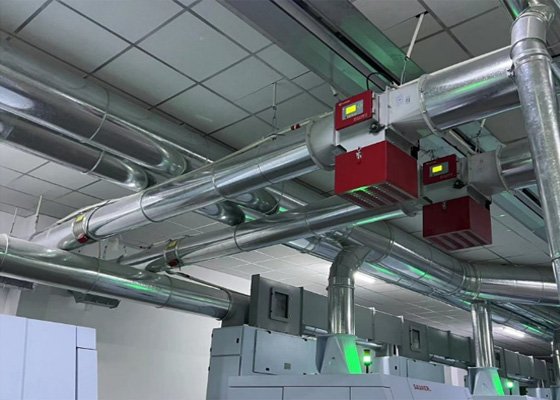
AMP-119AII.V21 Spark Diverter is the latest version of AMP-119ALL which is mainly used for fire prevention in opening and cleaning process of spinning mill. The detector is directly installed on the air conveying pipe, which can efficiently detect the sparks that mixed or generated in the production process so as to ensure the safety of blowing-carding production line or other fiber processing production line. The machine is generally installed on the pipe between the conveying fan and the carding machine, or in front of the multi mixer.
1, We have rich production experience. In China, we have our own factory, with workers with rich production experience, our research and development team with high education and high innovation ability, our management team is highly responsible, and our production line is constantly reformed and innovated under the close cooperation of the three parties.
2. Our managers and engineers often participate in exhibitions at home and abroad. At the exhibition, we actively understand the change and innovation of the textile recycling industry, and we learn from the excellent experience at home and abroad that our products have been at the forefront of the industry.
3, We have a large number of end users in foreign countries, and maintain good cooperative relations. With the help of end users, our production line is becoming more and more perfect.
4, We can provide customers with more superior after-sales service, we have their own installation and maintenance team in Pakistan, Bangladesh. A phone call can come to you and save your valuable production costs. In the future, we will set up our own team in more countries.
1.What is the delivery time?
The delivery time is 15-30 days.
2.Does the machine damage the cotton fiber?
No, the machine is designed to remove dust without damaging the fiber.
3.What materials can this machine clean?
It cleans soft cotton, flax, ramie, hemp, waste cotton, and chemical fibers.
4.Is after-sales service available internationally?
Yes, we have installation and technical teams in Pakistan, Bangladesh, and worldwide.
5.What is the warranty period?
We provide a 1-year warranty and 1-year after-sales service.
6.Can the roller material be changed?
Yes, the roller material can be Casting Iron or Tube as requested.
If you have any questions or needs about the product, please fill in the following form and we will contact you as soon as possible.