



Fabric scrap recycling machine converts diverse textile wastes—from cotton fabric and denim to garment rags—into reusable fiber for rotor spinning, nonwoven production, and automotive applications, delivering cost efficiency and waste-to-value benefits for spinning, weaving, garment, and nonwoven mills.
Fabric scrap recycling machine production line is an industrial-grade recycling system specifically designed for the textile industry. It is used to convert various types of textile waste—such as fabric scraps, discarded garments, and yarn ends—into reusable fibers through mechanical and physical processes. The line is widely applied in fields including spinning, nonwoven fabric production, filling materials, and composite material manufacturing, serving as a key piece of equipment for realizing the circular utilization of textile resources. Against the backdrop of the textile industry's transition toward a circular economy model, this recycling solution represents an essential link in establishing a closed-loop industrial chain from "textile to textile."
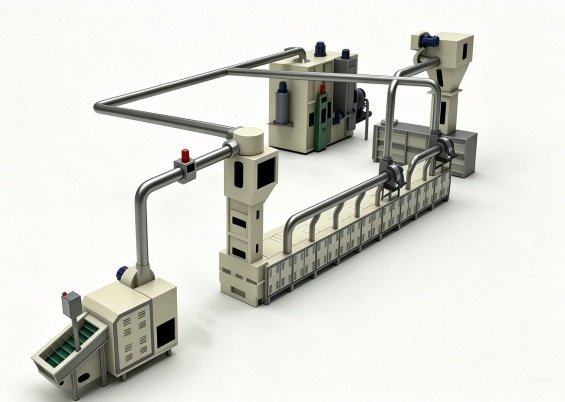
| Model NO. | MT600-400-250 | Delivery Time | 15-30 Days |
| Service | OEM/ODM | Color | ANY COLOR |
| Roller Dia. | 600-400-250mm | Machine Width | 1000mm 1300mm 1500mm |
| Power | 96.5kw | Wire | 9210, 5610 |
| Transport Package | Stadard Exporting Package | Specification | Set |
| Trademark | Morinte | Origin | Shandong, China |
| HS Code | 84451900 | Production Capacity | 50 Sets/Month |
| Manufacturing Technology | Laser Cutting Technology | Capacity | 200-300kg/H |
| Electrical Components | According to the customer's requiremen | Spare Parts | Wire and Cylinder |
| Voltage | 380V, Customized | After-sales Service | Onsite, Video Support |
Our Fabric scrap recycling production line features a three-fold design of "front-end detection and separation + core component reinforcement + active fire protection system," which effectively addresses customers' core concerns regarding stability and safety, ensuring long-term, stable, and safe operation of the line.
When processing waste materials, metal fasteners such as buttons and zipper heads that are inadvertently mixed in constitute a primary risk source for equipment failure.
Metal Detection & Protection:
A proven solution is to integrate a high-sensitivity metal detector and a high-intensity electromagnetic separator upstream of the shredding or opening process. When the detector identifies metallic contaminants, it triggers an automatic alarm. In conjunction with the magnetic separator, which adsorbs and removes metals during material conveying, this configuration effectively protects the core cutting tools and rollers at the source.
Durability of Main Shaft and Bearings:
For high-tenacity textile materials, the equipment typically employs opening roller clothing and cutting tools made of high-strength, wear-resistant materials. The main shaft system is further protected through specialized sealing designs—such as labyrinth seals and air-purge seals—to prevent long fibers from wrapping around the bearings, thereby avoiding damage caused by frictional overheating. In addition, the intelligent control system incorporates overload protection and automatic reverse functions, which can automatically respond to material jams, preventing forced operation that could damage core components.
Fiber dust is highly susceptible to generating sparks due to friction or static electricity during high-speed operation, making fire protection a top priority in safety design.
Active Spark Detection and Extinguishing System:
This is the current mainstream safety configuration. The system is equipped with infrared spark detectors installed at pneumatic conveying ducts or the outlets of critical equipment, capable of capturing hot particles or sparks traveling at speeds exceeding 20 m/s. Once detected, the system triggers downstream high-pressure water mist nozzles within approximately 300 milliseconds to extinguish the sparks, all without interrupting the production process.
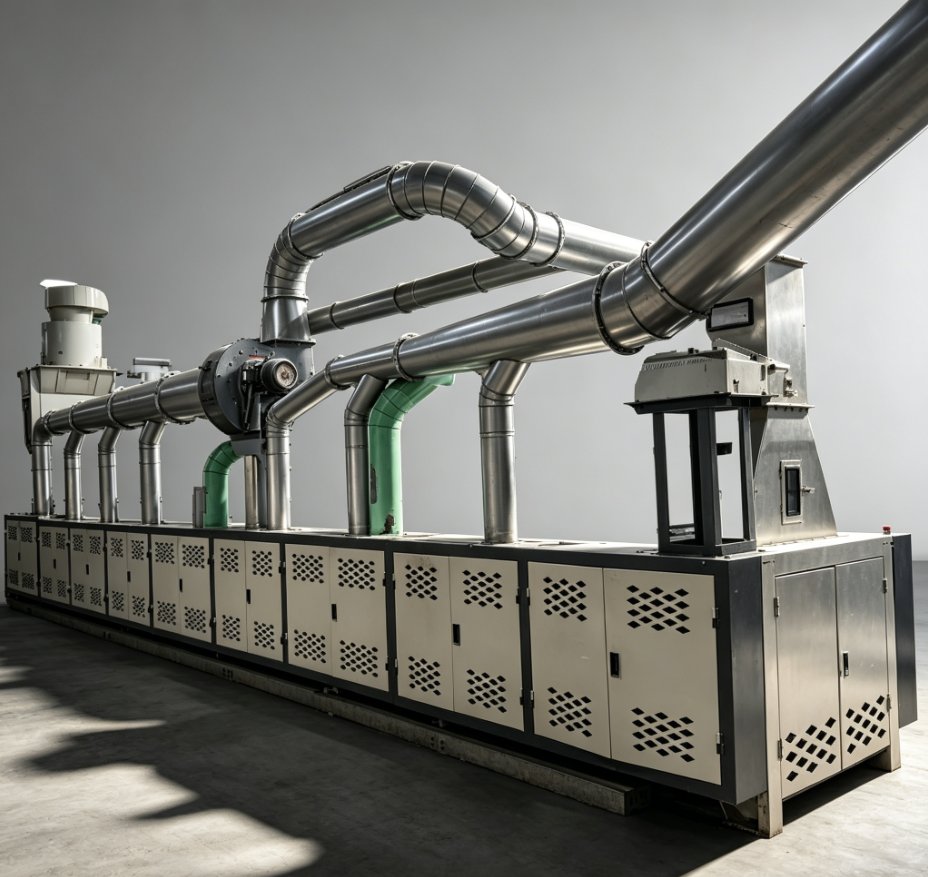
Integrated Button & Zipper Removal
Built-in metal detection and separation systems effectively identify and remove buttons, zipper heads, and other metallic contaminants during the initial processing stage, protecting downstream equipment from damage.
Infrared Photoelectric Control System
Advanced infrared sensors provide real-time monitoring of material flow and positioning, enabling precise process control and automated adjustments to maintain consistent output quality.
Self-Lubrication System
An automatic lubrication mechanism ensures continuous oil supply to critical bearings and moving parts, reducing friction, extending component service life, and minimizing manual maintenance intervention.
Safety Automatic Stop Device
The line is equipped with emergency stop sensors that immediately halt operation upon detection of overload, jamming, or any abnormal conditions, ensuring operator safety and equipment protection.
Enclosed Dust-Cleaning System
Fully enclosed dust collection and filtration units effectively capture airborne fibers and particulate matter during processing, maintaining a clean workshop environment and ensuring compliance with environmental emission standards.
New-Design Running System – High Output with Fire Prevention
The newly developed running mechanism optimizes material throughput while incorporating spark-resistant engineering and heat-dissipation features. This design not only delivers high production capacity but also significantly reduces the risk of fire caused by friction or static electricity during operation.
1,What is the production capacity and output of the equipment?
This equipment is designed to maximize processing capacity and can quickly and effectively handle a large amount of denim waste. The specific production capacity parameters vary by model and configuration. It is recommended to consult the supplier for a customized solution based on production requirements.
2,What is the delivery cycle of the equipment?
The general delivery cycle is 30 days.
3,Which payment methods are supported?
The available payment methods include:T/T (Wire transfer) L/C (Letter of Credit) D/P (Payment and Document Submission
4,Does the equipment have quality certification?
Yes, the product not only has a qualification certificate, but also holds international certifications such as CE certificate and ISO certificate. Each machine undergoes strict inspection before leaving the factory.
If you have any questions or needs about the product, please fill in the following form and we will contact you as soon as possible.