


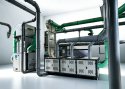
Textile yarn waste recycling machine widely used to process many kinds yarn waste and fabric waste, include cotton, PC etc. many kinds yarn which below 40's, the fiber can be used for spinning industry again.
Textile yarn waste recycling machine has adopted comprehensive advanced technology, it's sell well due to the high quality and high output both domestic and abroad. It is suitable to process chemical fiber, glass fiber, jute, hump, flax, ramie, yarn waste, hard waste, leftover of clothes, denim, polyester waste, non-woven etc. And the reasonable structure make the machine steady during working, easy to operate and maintenance, safe and reliable. This machinery is applicable to cotton, toys, clothing, footwear, knitwear and other industries.
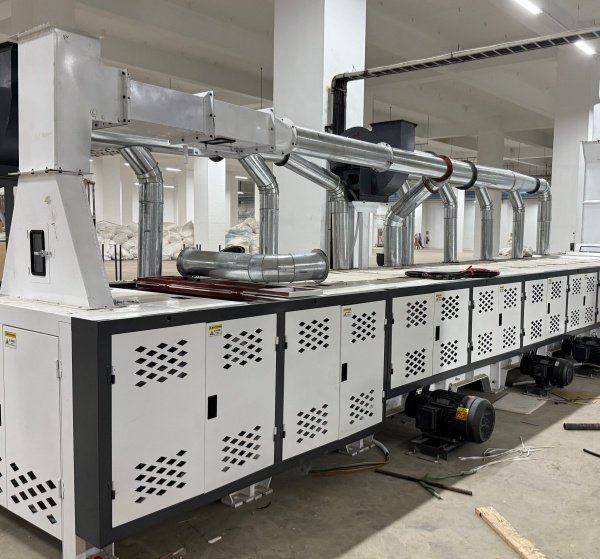
Capacity: 200-250kg/h
Roller size: MKS600-MKS400-MSL250x6
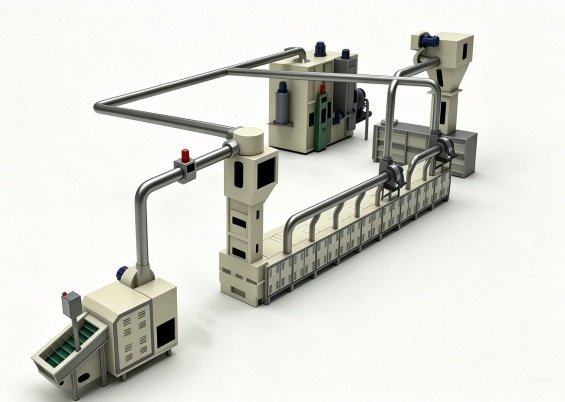
The line with Cyclon chute feeder
Dust cage: Φ500mm x 1000mm
Power: 81.5kw, Fan: 5.5+7.5kw
Size: 10800x1800x4500mm
The recycled fibers obtained after the machine processes the waste are mainly used in three directions:
1). Re-spinning: Higher quality recycled fibers are blended with virgin fibers in a certain ratio and re-spun into yarn, which can then be made into T-shirts, jeans, home textiles, etc.
2). Non woven fabric production: This is the most widely used area. Recycled fibers can be made into:
Automotive interiors: Soundproofing cotton, seat linings, trunk mats
Industrial products: Geo textiles (used in road construction), filter materials, waterproofing membranes
Daily necessities: Carpets, mops, industrial wipers
3). Filling materials: Shorter recycled fibers are an excellent quality filler, used for sofas, back cushions, seat cushions, dolls, insulation layers, soundproofing layers, etc.
There is increasing global emphasis on regenerated fibers.
Scenario | Waste Source | Recycling Machine Function | Final Product |
In-Plant Textile Mill Recycling | Waste cotton and broken yarn from the spinning process | On-site recycling, immediate opening and impurity removal | Remixed with new cotton for spinning, reducing raw material costs |
Garment Factory Scraps | Cotton fabric scraps from T-shirt cutting | Centralized collection, fiberization | Made into automotive soundproofing cotton or industrial wipers |
Used Clothing Recycling Plant | Discarded jeans and old sweaters from households | Removal of buttons and zippers, then fiberization | Made into recycled yarn, or directly used as filling material (e.g., cushion core) |
Non woven Fabric Mill | Textile waste purchased from other factories | Specialized processing into fiber | Continuous production of geo textiles |
Our recycling production line can instantly convert your factory's waste cotton, fabric scraps, and discarded clothing into high-value recycled fibers on site. Today, with the EU's mandatory requirements for adding recycled fibers and the pressure of carbon tariffs, this is not only a choice for cost reduction and efficiency improvement, but also an essential solution for securing your export market.
1,The quality and value of the produced fibers
Good fiber length retention: How to minimize fiber damage during the opening process is key. The longer the fiber, the higher its spinning value.
High cleaning efficiency: Effectively removes neps, dust, hard lumps, and other impurities, improving the quality grade of the recycled fibers.
2. Operating Cost & Economy
Low energy consumption: The total power of the production line directly affects electricity bills. Efficient drive designs and energy-saving motors are important selling points.
Low labor cost: The higher the degree of automation (e.g., automatic feeding, automatic baling), the fewer workers are required.
Long service life of wear parts: The replacement frequency and cost of core wear parts such as card clothing, saw blades, and screens directly impact downtime and maintenance expenses
Low material loss rate: The less effective fiber is carried away during the impurity removal process, the higher the output rate.
3. Production Stability & Reliability
Textile mills typically require continuous operation, and downtime means direct financial loss.
Low operational failure rate: Key components (such as bearings and opening rollers) have sufficient design margins to handle hard objects accidentally mixed into the raw material (e.g., buttons, zippers).
Low risk of clogging: For different raw materials (especially waste fabrics with high moisture content), the design of the feeding system and air conveying channels effectively prevents clogging.
Durable machine structure: The frame and housing are made of steel with sufficient thickness to ensure no deformation during prolonged heavy-load operation.
4. Raw Material Adaptability & Flexibility
Customers want a single piece of equipment to handle multiple types of waste, in order to broaden their raw material sources and reduce procurement risks.
5. Service & After-Sales Support
Purchasing the equipment is only the beginning; ongoing support is crucial.
We have long-standing agents and technical support teams in Pakistan, Bangladesh, Vietnam, and Egypt, ready to quickly resolve any of your concerns.
1.What is the delivery time?
The delivery time is 15-30 days.
2.Does the machine damage the cotton fiber?
No, the machine is designed to remove dust without damaging the fiber.
3.What materials can this machine clean?
It cleans soft cotton, flax, ramie, hemp, waste cotton, and chemical fibers.
4.Is after-sales service available internationally?
Yes, we have installation and technical teams in Pakistan, Bangladesh, and worldwide.
5.What is the warranty period?
We provide a 1-year warranty and 1-year after-sales service.
6.Can the roller material be changed?
Yes, the roller material can be Casting Iron or Tube as requested.
If you have any questions or needs about the product, please fill in the following form and we will contact you as soon as possible.