


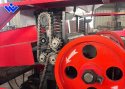
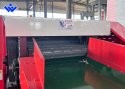
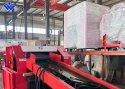
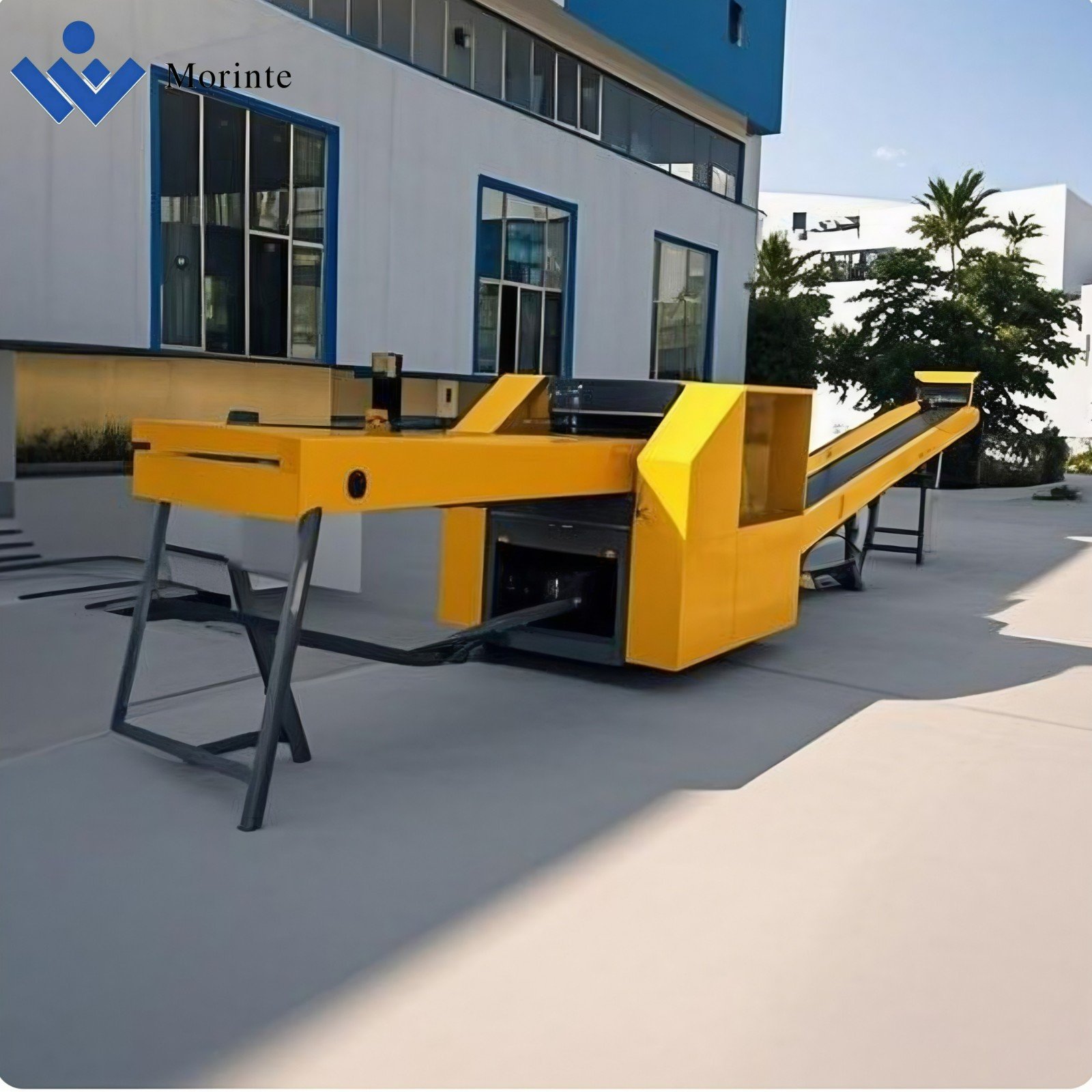
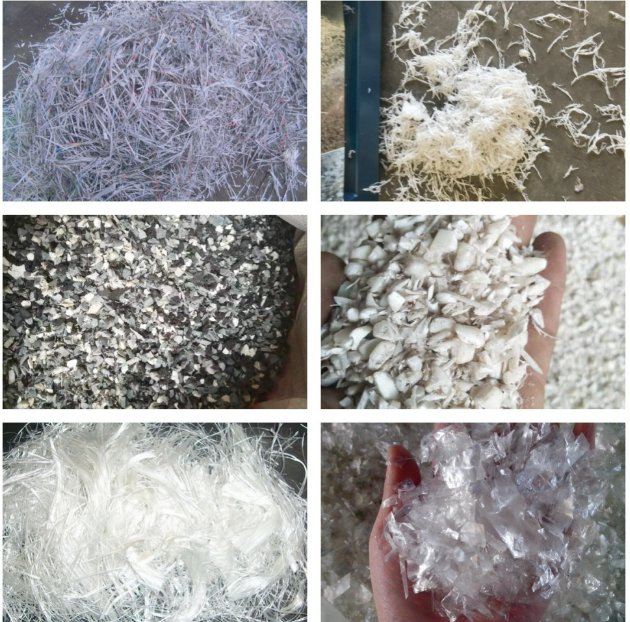
Rag Cutting Machine Engineered for old fabric, yarn, plastic, and other soft materials, this cutter delivers superior performance. The cutting size is easily adjustable to suit various production requirements. Its advanced rotating blade system guarantees complete and consistent material reduction, while also saving energy and minimizing your operational costs.
This equipment is designed for cutting and reducing the volume of various soft waste materials. It is widely used in waste recycling pretreatment across industries such as textiles, leather, plastics, and paper.
I. Applicable Material Types
| Material Category | Specific Examples |
|---|---|
| Textile Waste | Fabric scraps, cloth strips, waste yarn, cotton wadding, non-wovens, used clothing, towels, bed sheets, industrial felt |
| Leather Waste | Leather offcuts, artificial leather, PU/PVC synthetic leather waste |
| Soft Plastics | Woven bags, FIBC (ton) bags, agricultural film, packaging film, plastic ropes, packing straps |
| Paper Waste | Waste paper, cardboard scraps, molded pulp waste |
| Other Soft Materials | Sponge, thin foam, coir, hemp fiber, composite soft materials |
| Industry | Specific Needs |
|---|---|
| Textile & Apparel | Garment factories generate large amounts of fabric scraps, strips, and waste yarn daily. A cutting machine reduces these materials into smaller pieces for easy baling, sale, opening into recycled fiber, or direct use as industrial wipes or filling material. |
| Leather Products | Offcuts from shoes, bags, and leather garment factories can be cut and used for producing recycled leather, composite filling materials, or as a fuel substitute. |
| Plastic Recycling | Recovered soft plastics such as woven bags, FIBC (ton) bags, and agricultural film are bulky and irregular in shape. Cutting and volume reduction are necessary before they can enter a pelletizing line or undergo further cleaning. |
| Paper Industry | Waste paper edges, cardboard scraps, and molded pulp waste generated by paper mills are easier to return to the pulping process or transport after being cut. |
| Scrap Yards / Sorting Centers | Mixed soft wastes (fabric, paper, film, etc.) need uniform cutting and volume reduction to lower transportation and storage costs and improve baling efficiency. |
| Industry | Specific Needs |
|---|---|
| Automotive Interior Recycling | Soft materials from end-of-life vehicles, such as seat fabrics, headliner non-wovens, and soundproofing cotton, need to be cut and separated for categorized recycling. |
| Furniture / Mattress Manufacturing | Sponge offcuts and coir waste generated during production can be cut into smaller pieces for use as low-grade filling material or fuel. |
| Agriculture & Horticulture | Waste agricultural film, shade nets, hemp ropes, coir, etc., can be cut for easier composting or incineration. |
| Healthcare (Waste Treatment) | Certain non-infectious medical soft wastes (e.g., disposable non-woven bed sheets, isolation gowns) are cut and rendered unrecognizable before entering incineration or specialized treatment processes. |
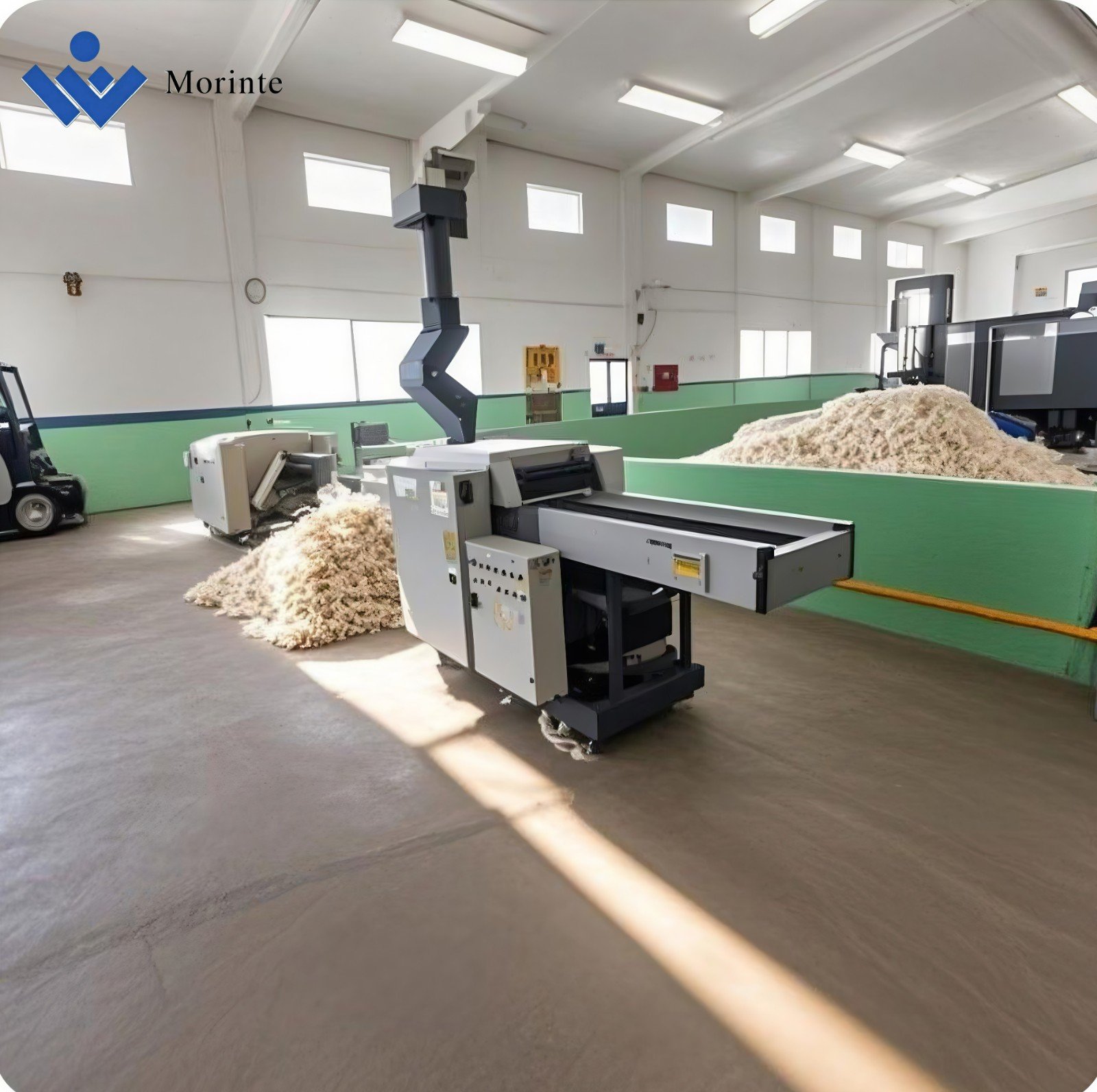
1This fabric waste chopper adopts a classic chopper style design, which is precisely controlled by an inverter to achieve uniform upward and downward reciprocating cutting of the blade, ensuring that the discharge size is uniform and can be freely adjusted.
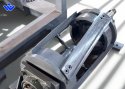
2 The equipment is equipped with a low-speed high torque motor, coupled with a cycloidal pinwheel reducer and a variable frequency speed regulation system, ensuring stable and reliable operation. The overall structural design is user-friendly, easy to disassemble and assemble, with low maintenance costs, and combines high strength and durability.
3. This model is suitable for processing various types of textile waste, including fabric scraps, cotton wool, yarn, clothing scraps, leather, and non-woven fabrics. Optional strong magnetic separation device can effectively protect the cutting tools from damage caused by metal impurities, further improving the service life of the equipment.
4. Support customization to meet the needs of various materials and production volumes
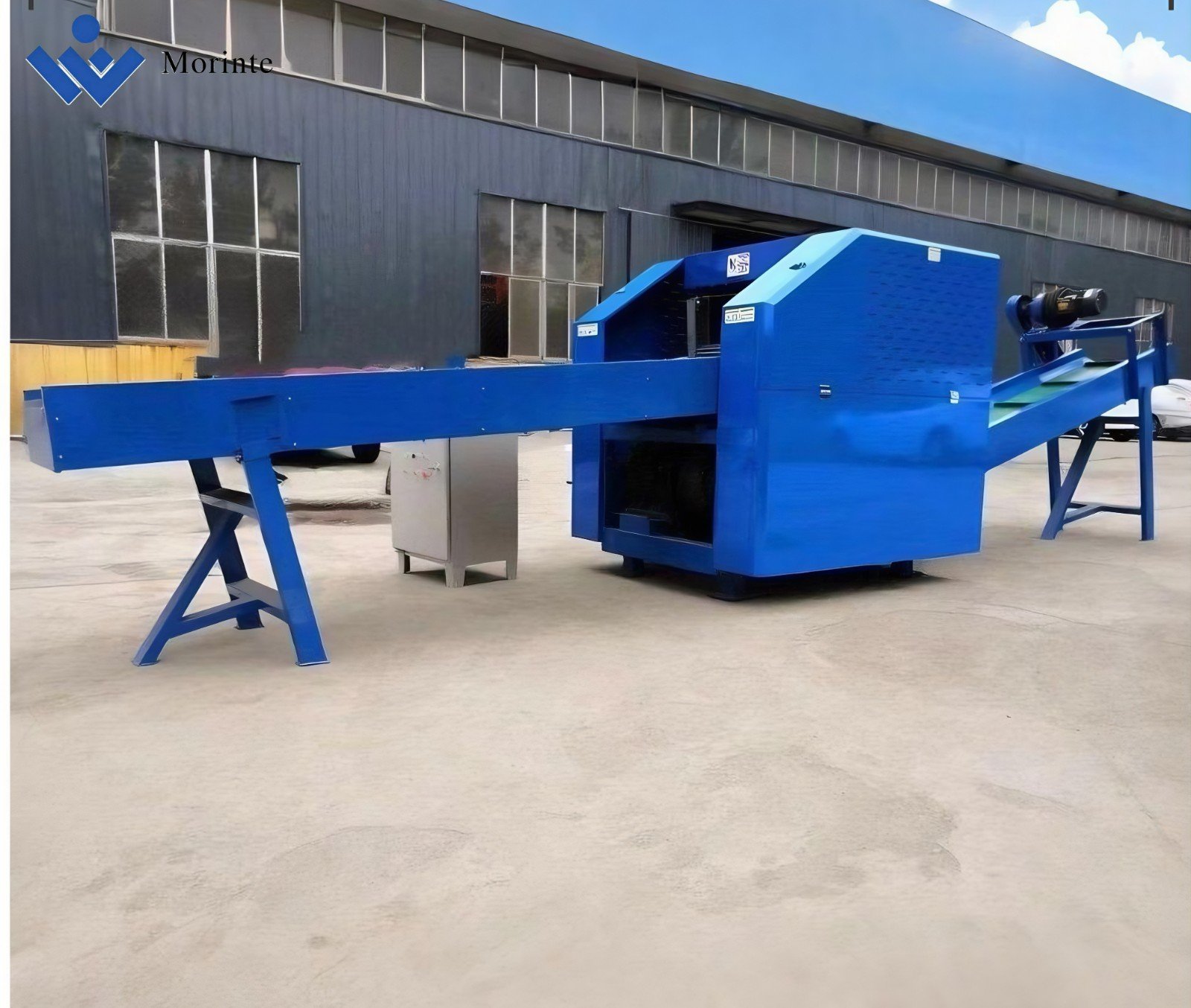
Model | 800MT | 1200MT | 1600MT | 2400MT |
Capacity | 500–800 kg/h | 800–1200 kg/h | 1000–3000 kg/h | 3000–4000 kg/h |
Main motor | 8P+7.5KW | 8P + 15 kW | 8P + 18.5 kW | 8P + 15 kW(Two sets) |
Conveyer motor | 4p1.5kw | 4p2.2kw(variable frequency motor) | 4p3.0kw(variable frequency motor) | 14p4.0kw(variable frequency motor) |
Belt wheel | Θ100 | Θ140 | Θ120 | Θ140 |
Moving blade base | Θ300 | Θ400*600 | Θ500*800 | Θ600*1200 |
Feeding conveyor | 1400*330 mm | 3000*520 mm | 3000*720 mm | 3000*1100 mm |
Machine size | 2100*1000*1100 | 1400*1450*1500 | 1550*1700*1550 | 2100*1900*1550 |
Cutting size | 2.5.8cm | tunable | tunable | tunable |
24/7 Technical Support: Expert guidance whenever you need it.
Customized Solutions: Tailored technical support for unique production challenges.
End-to-End Service: From sales consultation to after-sales care, we're with you every step of the way.
Proven Expertise: A legacy of successful projects in the global textile waste industry.
Global Export Network: Trusted by clients in Pakistan, India, Germany, the USA, and beyond, our machines power textile waste processing operations worldwide.
Good Quality:All machines come with CE certification and quality assurance
If you have any questions or needs about the product, please fill in the following form and we will contact you as soon as possible.