


Hard Waste Recycling Machine – Built for rigid textile waste like denim, canvas, and carpet backing. Reinforced rotors, heavy-duty frame, and efficient impurity removal system convert tough materials into reusable fibers. Durable, stable, and ideal for high-load recycling operations.
Hard Waste Recycling Machine is a heavy-duty industrial system engineered for the mechanical processing of rigid and high-density textile waste streams, including denim, canvas, industrial nonwoven trimmings, carpet backing, and compacted fabric offcuts.
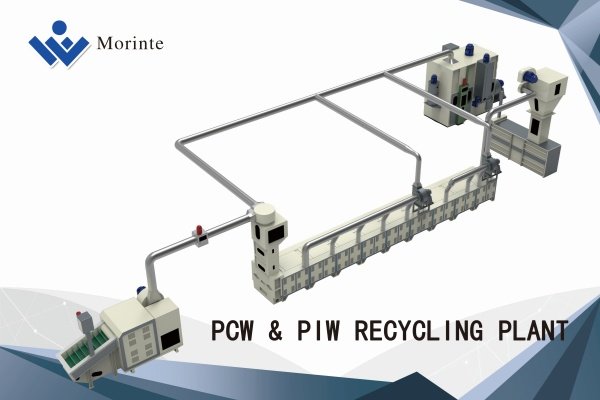
The specific operation of a textile waste recycling production line may vary depending on equipment configuration (such as a single machine vs. a combined line) and material type (soft fabric vs. hard waste). However, the standardized industrial process typically includes the following five core steps, which are key to ensuring the quality of the finished fiber and the safety of the equipment
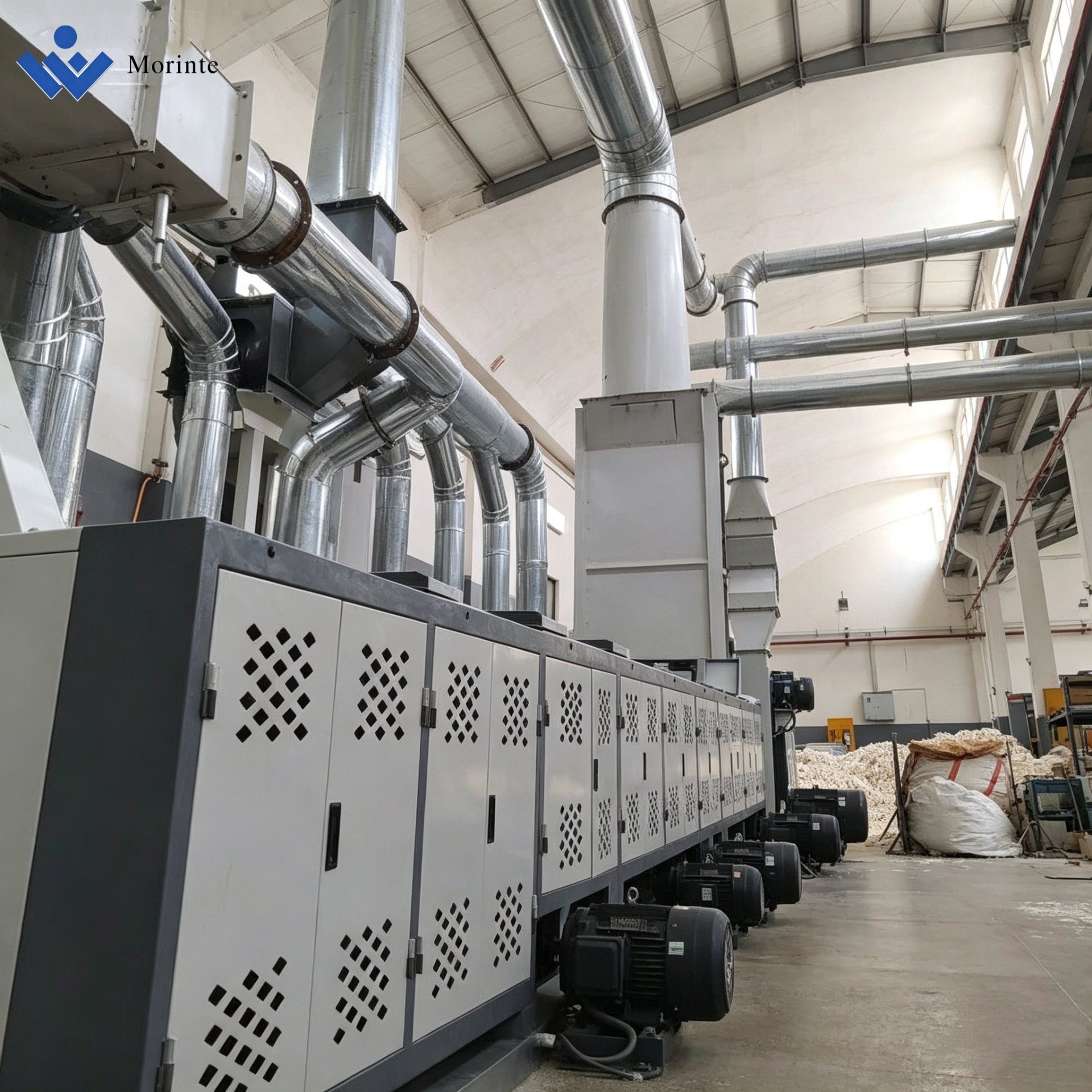
High-strength cutting and opening unit – Equipped with hardened serrated rollers or blade rotors to mechanically break down tough material agglomerates while preserving fiber integrity for downstream processing.
Reinforced mainframe construction – Fabricated from thickened steel plates with anti-vibration design and corrosion-resistant coating, ensuring operational stability under continuous heavy loads.
Integrated contaminant removal system – Includes dust extraction ports and optional magnetic separation to protect equipment from metal debris and reduce fire risk.
Customizable rotor metallurgy – Rollers available in cast iron or steel tube configurations, selected based on material hardness and throughput requirements.
Heavy-duty drive train – Features bevel gear reducers and oversized bearings (NSK or equivalent) to support extended high-load cycles without thermal degradation.
| Model No. | MKS600 | MKS400 | MSL250 |
| Capacity | 350-400kg/h | 300-350kg/h | 200-250kg/h |
| Roller size | 600x100mm | 400x1000mm | 250x1000mm |
| Dust case | 5.5kw fan to transport materail | 500x1000mm | 500x1000mm |
| Power | 30kw, 3kw | 18.5kw | 11kw/two roller |
| Weight | 2500kg | 1200kg | 750kg |
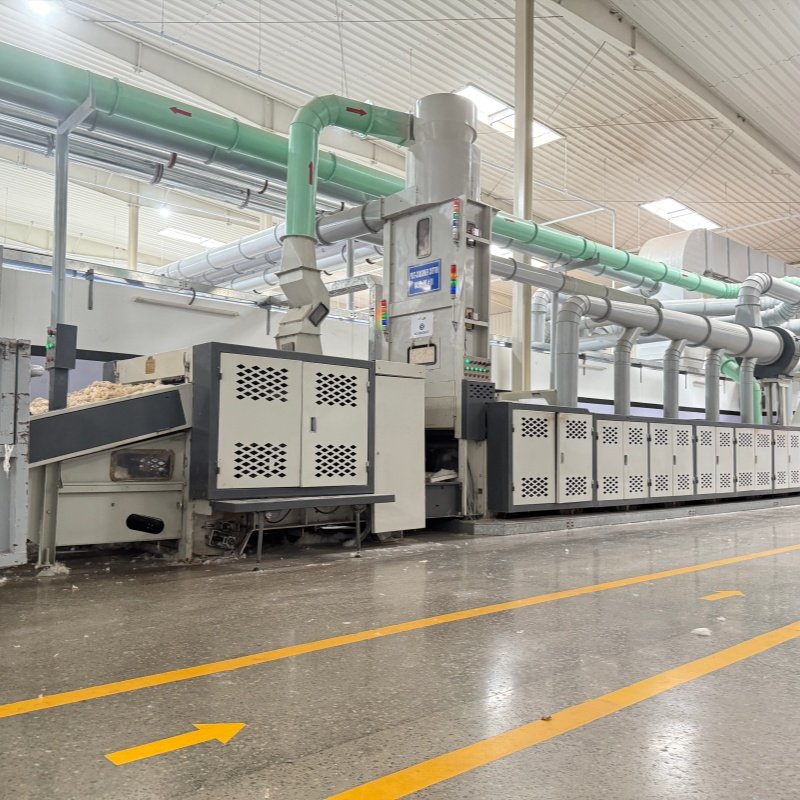
The recycled fibers obtained after the machine processes the waste are mainly used in three directions:
1. Re-spinning: Higher quality recycled fibers are blended with virgin fibers in a certain ratio and re-spun into yarn, which can then be made into T-shirts, jeans, home textiles, etc.
2. Non woven fabric production: This is the most widely used area. Recycled fibers can be made into:
Automotive interiors: Soundproofing cotton, seat linings, trunk matsIndustrial products: Geo textiles (used in road construction), filter materials, waterproofing membranes Daily necessities: Carpets, mops, industrial wipers
3. Filling materials: Shorter recycled fibers are an excellent quality filler, used for sofas, back cushions, seat cushions, dolls, insulation layers, soundproofing layers, etc.
Scenario | Waste Source | Recycling Machine Function | Final Product |
In-Plant Textile Mill Recycling | Waste cotton and broken yarn from the spinning process | On-site recycling, immediate opening and impurity removal | Remixed with new cotton for spinning, reducing raw material costs |
Garment Factory Scraps | Cotton fabric scraps from T-shirt cutting | Centralized collection, fiberization | Made into automotive soundproofing cotton or industrial wipers |
Used Clothing Recycling Plant | Discarded jeans and old sweaters from households | Removal of buttons and zippers, then fiberization | Made into recycled yarn, or directly used as filling material (e.g., cushion core) |
Non woven Fabric Mill | Textile waste purchased from other factories | Specialized processing into fiber | Continuous production of geo textiles |
The specific operation of a textile waste recycling production line may vary depending on equipment configuration (such as a single machine vs. a combined line) and material type (soft fabric vs. hard waste). However, the standardized industrial process typically includes the following five core steps, which are key to ensuring the quality of the finished fiber and the safety of the equipment.
Operation content: Materials first enter the pretreatment stage.
Manual sorting: Remove hard impurities such as stones, metals, and plastics from the waste manually or mechanically. This is critical for preventing equipment damage and fire.
Bale opening & loosening: Open tightly packed waste bales and loosen the materials.
Disinfection/sterilization treatment: For post-consumer waste clothing, some advanced production lines use ozone or steam for disinfection/sterilization to remove microorganisms and odors.
Operation content: Cut large pieces of material into smaller pieces for subsequent processing.
Cutting: Whole garments or large fabric pieces first enter the cutting machine and are cut into strips or sheets of approximately 5–20 cm.
Feeding: The cut materials are fed into the main machine's feeding system via a conveyor belt or airflow. Modern equipment often adopts automatic or specially designed feeding devices to accommodate various material types and maintain uniform feeding.
Operation description: This stage is the core process of the production line, with the main objectives of fiber decomposition and impurity removal.
Mechanical opening: After entering the opener, the material is continuously torn and broken down by the mechanical action of high-speed rotating rollers equipped with saw-tooth wire or combs, ultimately forming loose small fiber bundles or single fibers.
Gravity separation: Utilizing the density difference between heavy impurities (such as stones and metals) and fibers, hard impurities are allowed to naturally settle and be discharged through a settling device.
Dust purification: Dust and short fibers generated during the opening process are drawn away and collected by a fan and filtration , thereby improving the working environment and enhancing the purity of the recovered fibers.
1.What is the delivery time?
The delivery time is 15-30 days.
2.Does the machine damage the cotton fiber?
No, the machine is designed to remove dust without damaging the fiber.
3.What materials can this machine clean?
It cleans soft cotton, flax, ramie, hemp, waste cotton, and chemical fibers.
4.Is after-sales service available internationally?
Yes, we have installation and technical teams in Pakistan, Bangladesh, and worldwide.
5.What is the warranty period?
We provide a 1-year warranty and 1-year after-sales service.
6.Can the roller material be changed?
Yes, the roller material can be Casting Iron or Tube as requested.
If you have any questions or needs about the product, please fill in the following form and we will contact you as soon as possible.