


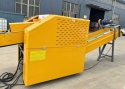
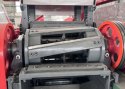
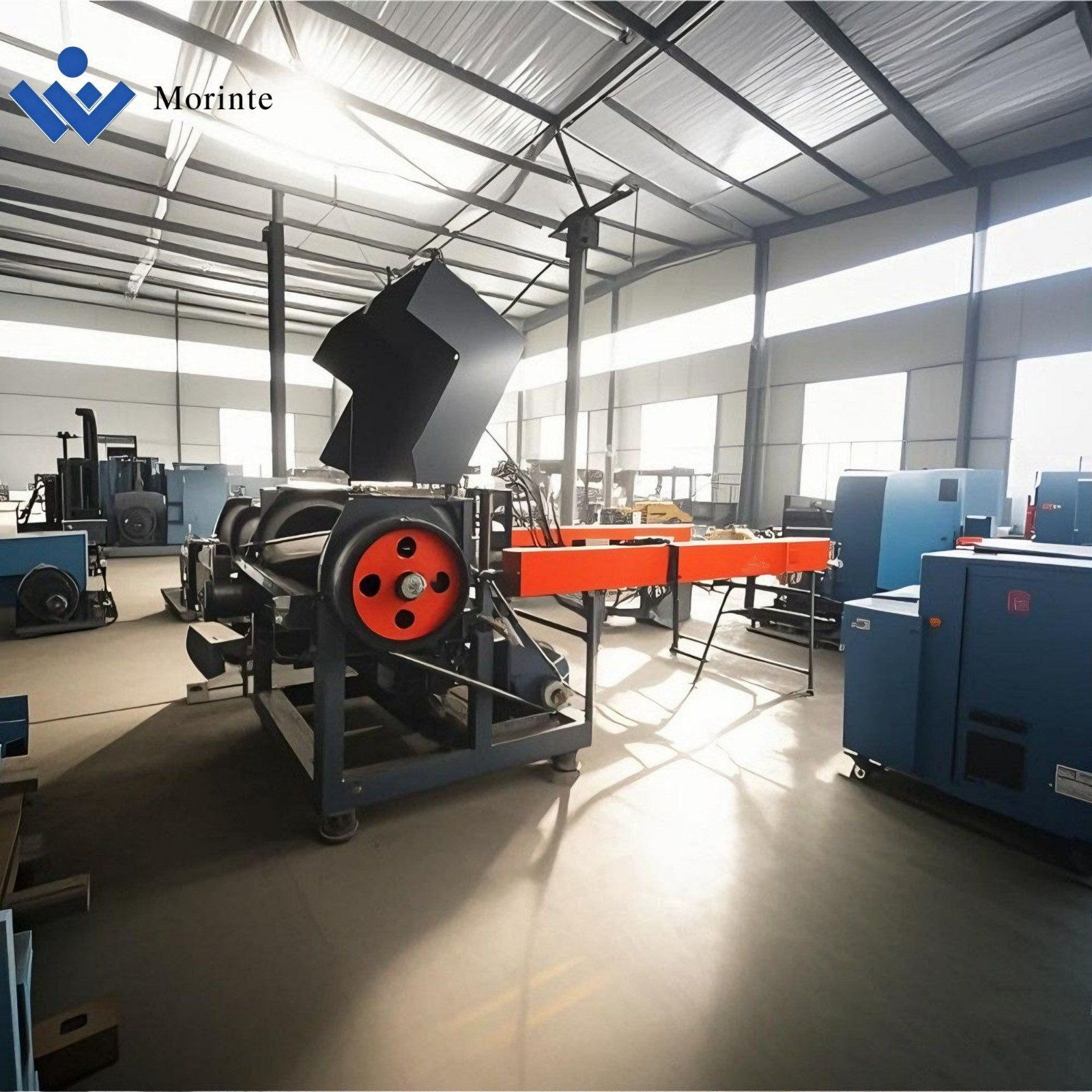
Fiber Cutting Machine (rotary knife fiber cutter) is a high-efficiency, general-purpose cutting device designed for rapid, uniform cutting of various fiber materials to preset lengths. Featuring a continuously rotating cutter head, this machine offers significant advantages over traditional reciprocating guillotine-type cutters, including higher cutting efficiency, lower noise levels, and reduced energy consumption. Depending on the application, it may also be referred to as a fabric shredder, short fiber cutter, yarn chopper, or rag cutter.
fiber cutting machine is a high-precision, high-efficiency and highly versatile automated fiber cutting equipment. It is also often called a fiber short-cutting machine or a chemical fiber chopper. It is specially designed for the fixed-length cutting processing of various soft and hard fibers and textile materials.It can complete the uniform cutting of various fiber materials in batches, effectively solving the industry pain points of poor precision, low efficiency and high material loss in manual cutting. It is widely adapted to the large-scale production and fine processing needs of multiple industries such as textiles, new materials, construction, automotive interiors and 4environmental protection recycling. It is the core main equipment for fiber deep processing and the recycling and reuse of scraps.
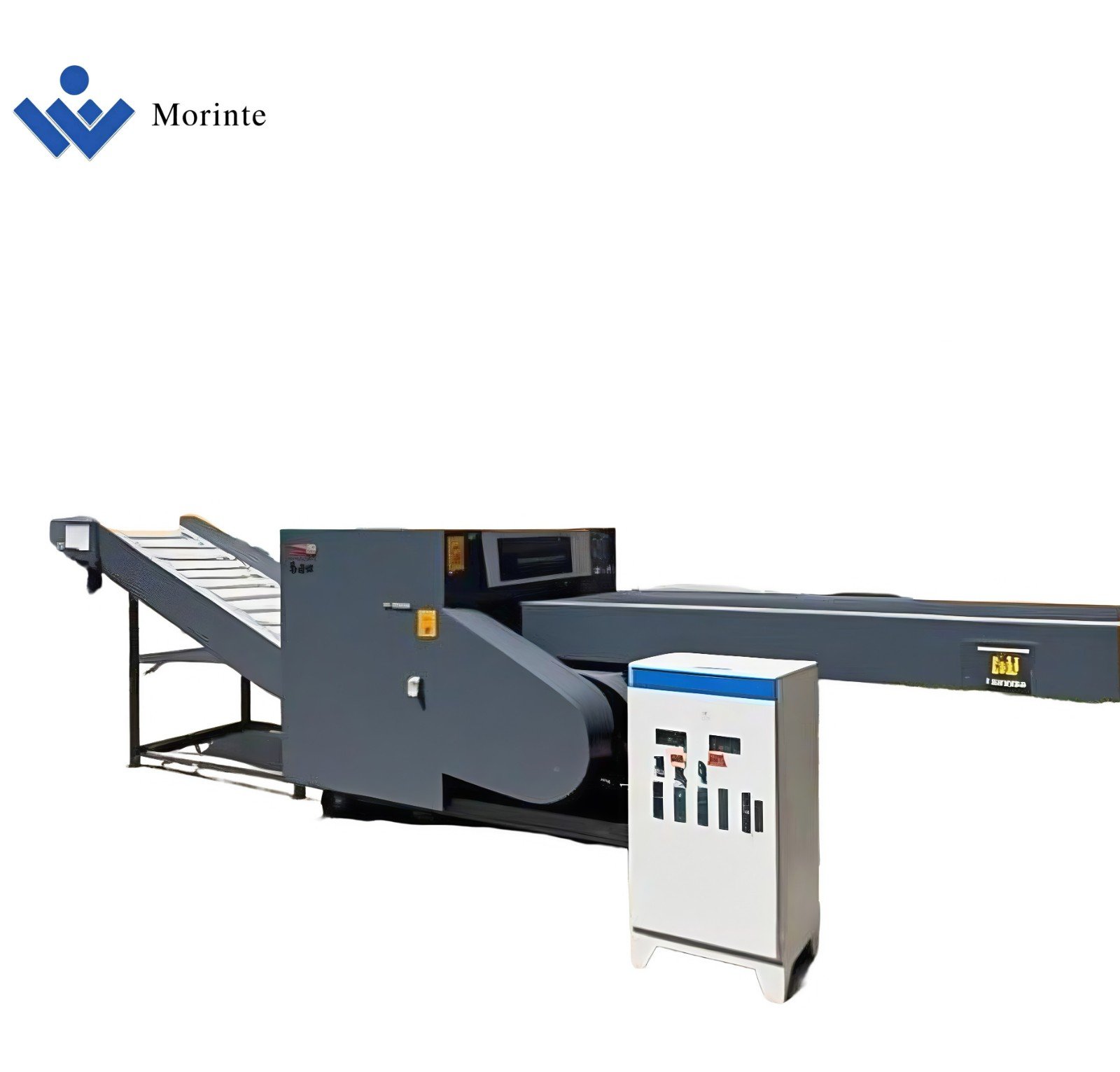
(Custom configurations available upon request.)
Model | MT800R | MT1200R | MT1600R | MT2000R |
Output (kgs/h) | 500-800 | 500-1000 | 800-1500 | 1000-2000 |
Blade qty | 4+1 | 6+2 | 4+1 | 4+1 |
Blade size (mm) | Cr12Mov | Cr12Mov | Cr12Mov | Cr12Mov |
Power | 380v/50Hz | 380v/50Hz | 380v/50Hz | 380v/50Hz |
Main motor (kw) | 5.5+1.5 | 7.5, 2.2 | 15+2.2+1.5 | 22+2.2+1.5 |
Feeding and output conveyor (mm) | 1400x350 | 2000x530 | 2800x680 | 600 |
Cutting thickness (mm) | 1-50 | 1-80 | 1-50 | 1-80 |
Cutting size (mm) | 5-75 | 5-80 | 5-80 | 5-300 |
Machine size (mm) | 3200x1000x1200 | 4400x1250x1200 | 6200x1600x1500 | 6000x1760x1500 |
Weight (kgs) | 800 | 1200 | 2200 | 2000 |
Key Configurations
Main motor
• Ordinary motor: Runs at a constant speed, inexpensive, suitable for scenarios where there are no special requirements for speed.
• Variable frequency: Can be adjusted continuously for speed, automatically adjusting the speed according to the hardness of the material. It operates at a slower speed for steel cutting and a faster speed for aluminum cutting, consuming less electricity and achieving smoother cuts.
Transmission system
• Chain drive: Low noise, low cost, and has overload protection function (slippage).
Cutting tools
• Rotating cutting tool (rotary cutter): Installed on a rotating knife roller, rotating at high speed.
• Fixed cutting tool (bottom knife): Fixed on the frame, remaining stationary.
• Usage: When the rotating cutting tool rapidly passes over the fixed cutting tool, a force similar to that of scissors is formed, tearing or cutting the fabric located between the two.
Operation interface
• Touchscreen PLC control: The current standard feature. It can store multiple sets of cutting data, which can be directly accessed and real-time fault alarms can be displayed.
Numerical control system
• Single-chip microcomputer controller: The function is relatively simple, and it can only perform simple length setting and counting.
Delivery speed control
• Deceleration strips: They prevent and slow down the rolling speed of the materials. This helps to avoid the materials colliding with the feeding clamps or positioning baffles at high speeds, which could damage the material ends and also prevent vibrations caused by the impact from affecting the machine's accuracy.
• Deceleration rollers:
Precisely control the feeding speed and posture
Straighten and support the materials
Protect the surface of the materials
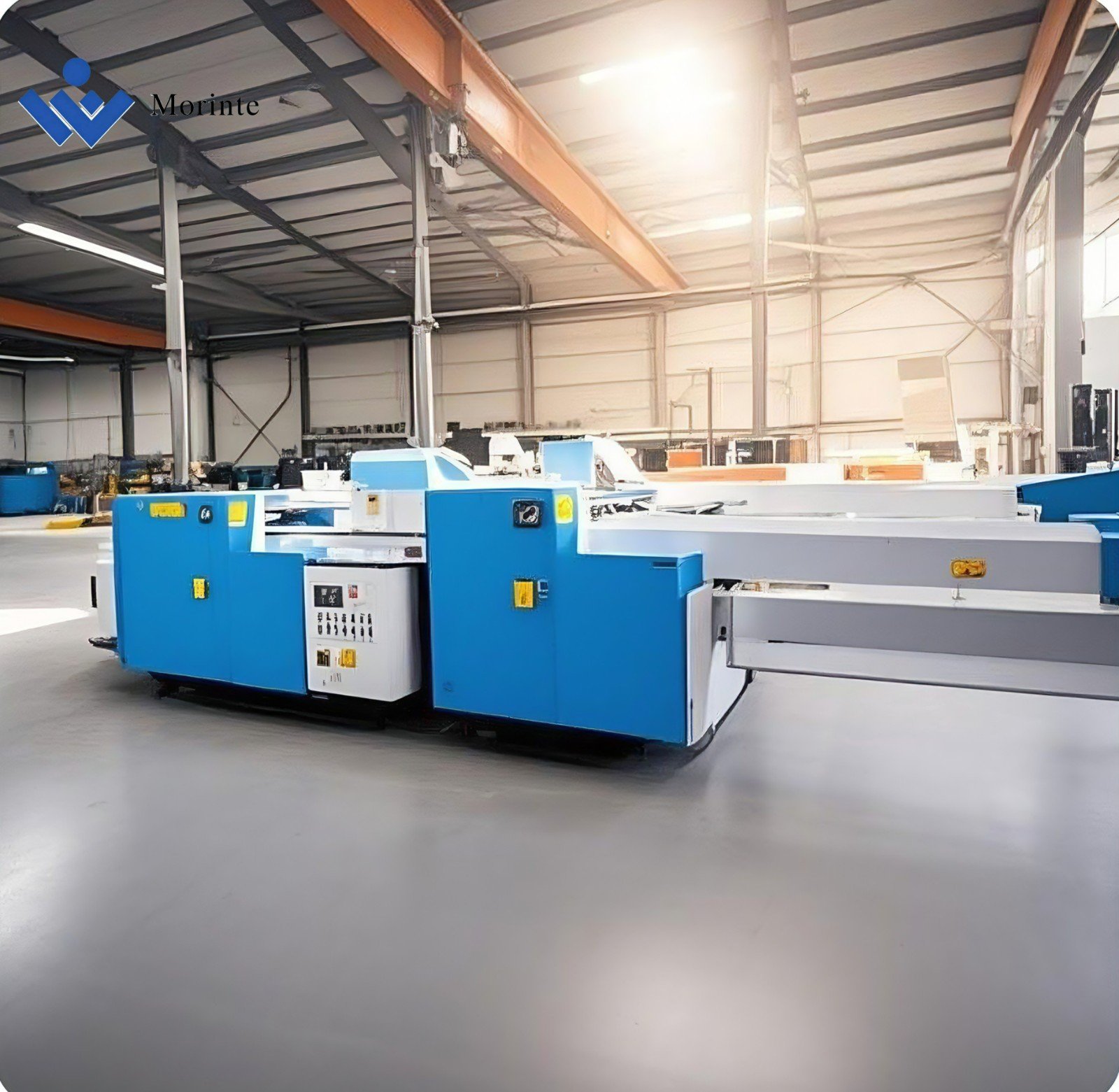
Fiber Cutting Machine has a wide range of applications and can process various irregular, non-oriented soft materials, including:
Industry | Specific Needs |
Textile & Apparel | Garment factories generate large amounts of fabric scraps, strips, and waste yarn daily. A cutting machine reduces these materials into smaller pieces for easy baling, sale, opening into recycled fiber, or direct use as industrial wipes or filling material. |
Leather Products | Offcuts from shoes, bags, and leather garment factories can be cut and used for producing recycled leather, composite filling materials, or as a fuel substitute. |
Plastic Recycling | Recovered soft plastics such as woven bags, FIBC (ton) bags, and agricultural film are bulky and irregular in shape. Cutting and volume reduction are necessary before they can enter a pelletizing line or undergo further cleaning. |
Paper Industry | Waste paper edges, cardboard scraps, and molded pulp waste generated by paper mills are easier to return to the pulping process or transport after being cut. |
Scrap Yards / Sorting Centers | Mixed soft wastes (fabric, paper, film, etc.) need uniform cutting and volume reduction to lower transportation and storage costs and improve baling efficiency. |
Yes, it can. The rotary blade fiber cutting machine is specifically designed to address the high tensile strength and tendency to tangle of textile fibers. The equipment can process a very wide range of materials. Regarding the tangling issue, the rotary knife design itself significantly reduces the risk of wrapping. However, for easily tangled filament-type materials, a uniform feeding method is recommended to further prevent wrapping or machine jamming.
Blade life depends on the hardness of the materials being processed and the processing volume. High-quality blades can support stable, long-term operation under normal use.
When processing ordinary cotton waste yarns and fabric scraps, blades typically last from several weeks to several months of continuous use
When processing high-strength, high-modulus fibers (such as vinylon, aramid, fiberglass), blade wear accelerates
Yes, it is worth it, especially for users who process a wide variety of materials or are sensitive to energy consumption.
Wide variety of materials being processed with significant differences in hardness
Frequent adjustment of cut length is required
Energy efficiency and consistent production quality are a priority
Yes, hard ferrous objects can severely damage the blades, possibly causing blade fracture or even damaging the entire cutter head. However, protective equipment can be added.
Recommendation: If metal contaminants are common in your raw materials, opting for a strong magnetic separator is highly recommended.
If you have any questions or needs about the product, please fill in the following form and we will contact you as soon as possible.