


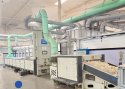
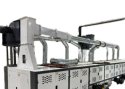
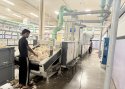
textile waste recycling production line processes all types of textile waste into high-quality recycled fibers (25–30 cm in length) using advanced, reliable technology. It features a systematic dust removal system with internal special piping for higher efficiency and fire prevention. Equipped with cutting, dust removal, spark, and metal detectors, the line meets diverse customer needs.
textile waste recycling production line is a specialized resource regeneration equipment system designed to process various types of textile waste, including offcuts from the textile industry, discarded garments, waste yarn, waste synthetic fabrics, and blended textile waste. It is widely used in textile processing plants, waste textile recycling enterprises, recycled fiber production bases, environmental protection and solid waste treatment companies, and other similar settings. Depending on the material characteristics and desired end products, the line can be customized as small-scale lightweight production lines or large-scale industrial lines. Our textile waste recycling production line forms a green closed-loop industrial chain of "waste collection – processing and regeneration – reuse in production." It serves as the core supporting equipment for the transformation and upgrading of the textile industry, achieving carbon peak and carbon neutrality goals, and developing the circular economy.
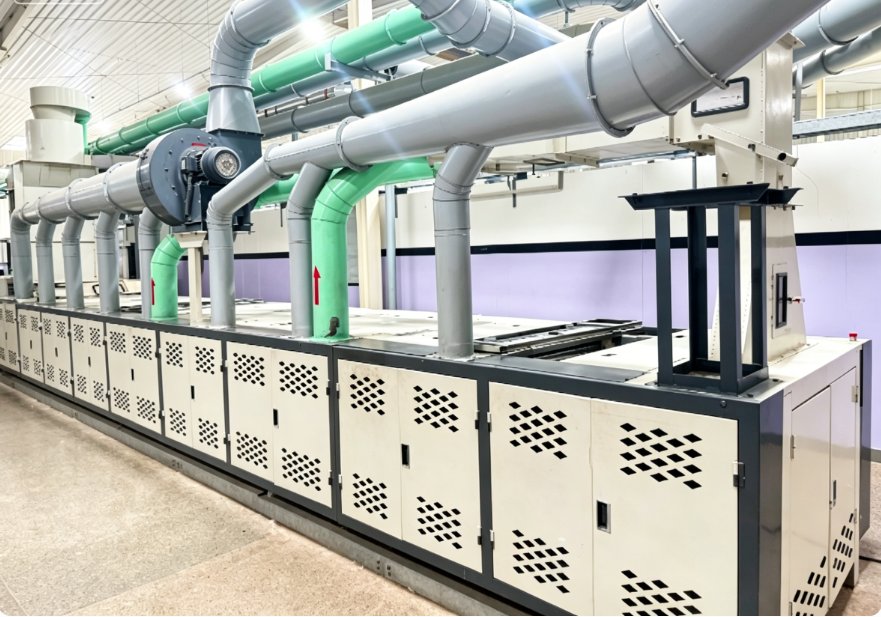
Model | MKS600 | MKS400 | MKS250 |
Capacity | 350-400kg/h | 300-350kg/h | 200-250kg/h |
Roller size | 600*1000mm | 400*1000mm | 250*1000mm |
Dust case | 5.5kw fan to transport materail | 500*1000 | 500*1000 |
Power | 30kw,3kw | 18.5kw | 11kw/two roller |
Weight | 2500kg | 1200kg | 750kg |
The textile waste recycling production line is suitable for natural fibers such as cotton and linen, pure synthetic fibers, and high-purity single-fiber textile waste. It primarily uses mechanical and physical methods to perform crushing, opening, impurity removal, and carding, without altering the chemical properties of the fibers. It features low energy consumption, no pollution, high productivity, and controllable costs, making it the most widely used mainstream production line at present.
The main processes are as follows:
1. Crushing and shredding process: The materials are fed into a shear-type crusher and a disc shredder. Designed specifically for the high toughness and tangling tendency of textile materials, this process achieves continuous, tangle-free shredding through a specialized structural design. It shreds whole pieces of fabric, discarded garments, and yarn into uniform small pieces, making them suitable for subsequent opening.
2. Impurity removal and cleaning process: Textile waste has high toughness, and processing equipment is precision-engineered. When hard metal impurities enter core equipment such as crushers, openers, and carding machines, they can easily cause broken cutting teeth, damaged card clothing, stuck rollers, and even machine jamming and shutdowns. In this process, we use a metal hawk-eye detector and remover to enhance the production line with high-precision, intelligent metal foreign object detection and automatic rejection. As an upgraded supplement to traditional magnetic separation—which can only remove iron—this system is deployed upstream of the crushing and opening processes. It is essential for ensuring equipment safety and stable product quality.
3. Core regeneration processing stage: The physically recycled material enters the opening and carding unit, where through multi-stage opening, carding, and impurity removal, the shredded material is disassembled into fluffy, uniform recycled fibers. Short fibers and impurities are removed to enhance the fiber's spinnability.
4. Recycled fiber baling/packaging: Recycled fiber baling is the final key process of the textile waste recycling production line. For the fluffy recycled fibers that have been opened, carded, and refined through impurity removal, specialized baling equipment is used to complete compression, shaping, and sealing. This solves the problems of high fluffiness, large volume, high transportation and storage costs, and susceptibility to moisture and contamination. It enables standardized, orderly, and commercialized treatment of the finished product, meeting the requirements of bulk warehousing, long-distance transportation, and market sales.
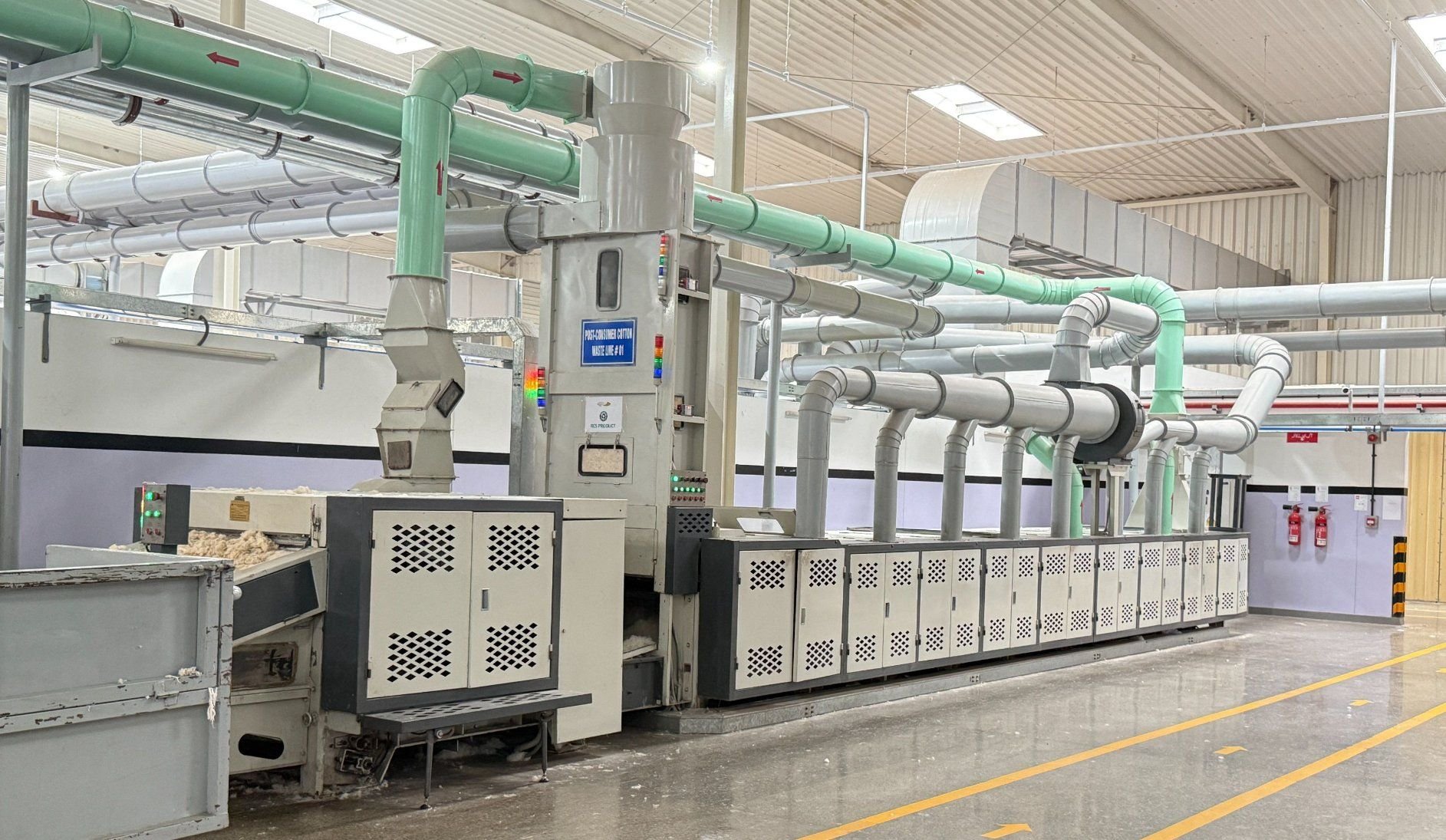
1. Intelligent automation, high efficiency and energy saving: Equipped with a PLC intelligent control system, it monitors equipment operating status and other parameters in real time, reducing equipment failure rates by 30%. The entire process requires no manual intervention, significantly saving labor costs. At the same time, it adopts low-energy shredding and low-temperature regeneration technologies, reducing energy consumption by over 20% compared to traditional processes.
2. Wide adaptability and high utilization rate: It is compatible with various types of textile waste, including dry/wet, new/old, pure-spun, and blended materials, thoroughly solving the problem of traditional equipment being unable to handle high-toughness and blended fabrics. The comprehensive raw material utilization rate can reach over 98%, with no significant residual waste left behind.
3. Environmentally friendly with zero pollution emissions: The physical process generates no wastewater, waste gas, or solid waste throughout the entire operation. The chemical process uses green solvents with high recovery rates and operates at room temperature without the pollution risks associated with high temperature and high pressure. The production line is equipped with dust removal and noise reduction equipment, complies with industrial environmental emission standards, and achieves a high level of clean production.
4. Stable product quality and high added value: Fine sorting and multi-stage impurity removal processes effectively enhance the purity and uniformity of recycled fibers. Physically recycled fibers can meet the demands of conventional textile and filling applications. Chemically recycled raw materials achieve purity comparable to virgin materials, enabling their use in high-end textile production and significantly improving the economic benefits of recycling.
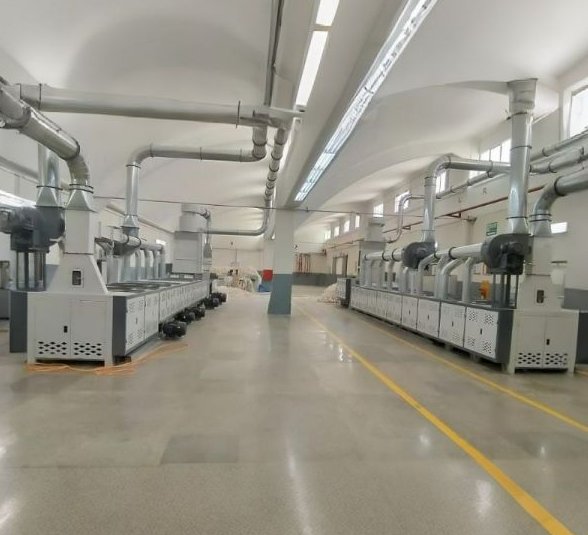
Our recycling production line can instantly convert your factory's waste cotton, fabric scraps, and discarded clothing into high-value recycled fibers on site. Today, with the EU's mandatory requirements for adding recycled fibers and the pressure of carbon tariffs, this is not only a choice for cost reduction and efficiency improvement, but also an essential solution for securing your export market.
Good fiber length retention: How to minimize fiber damage during the opening process is key. The longer the fiber, the higher its spinning value.
High cleaning efficiency: Effectively removes neps, dust, hard lumps, and other impurities, improving the quality grade of the recycled fibers.
Low energy consumption: The total power of the production line directly affects electricity bills. Efficient drive designs and energy-saving motors are important selling points.
Low labor cost: The higher the degree of automation (e.g., automatic feeding, automatic baling), the fewer workers are required.
Long service life of wear parts: The replacement frequency and cost of core wear parts such as card clothing, saw blades, and screens directly impact downtime and maintenance expenses
Low material loss rate: The less effective fiber is carried away during the impurity removal process, the higher the output rate.
Textile mills typically require continuous operation, and downtime means direct financial loss.
Low operational failure rate: Key components (such as bearings and opening rollers) have sufficient design margins to handle hard objects accidentally mixed into the raw material (e.g., buttons, zippers).
Low risk of clogging: For different raw materials (especially waste fabrics with high moisture content), the design of the feeding system and air conveying channels effectively prevents clogging.
Durable machine structure: The frame and housing are made of steel with sufficient thickness to ensure no deformation during prolonged heavy-load operation.
Customers want a single piece of equipment to handle multiple types of waste, in order to broaden their raw material sources and reduce procurement risks.
Purchasing the equipment is only the beginning; ongoing support is crucial.
We have long-standing agents and technical support teams in Pakistan, Bangladesh, Vietnam, and Egypt, ready to quickly resolve any of your concerns.
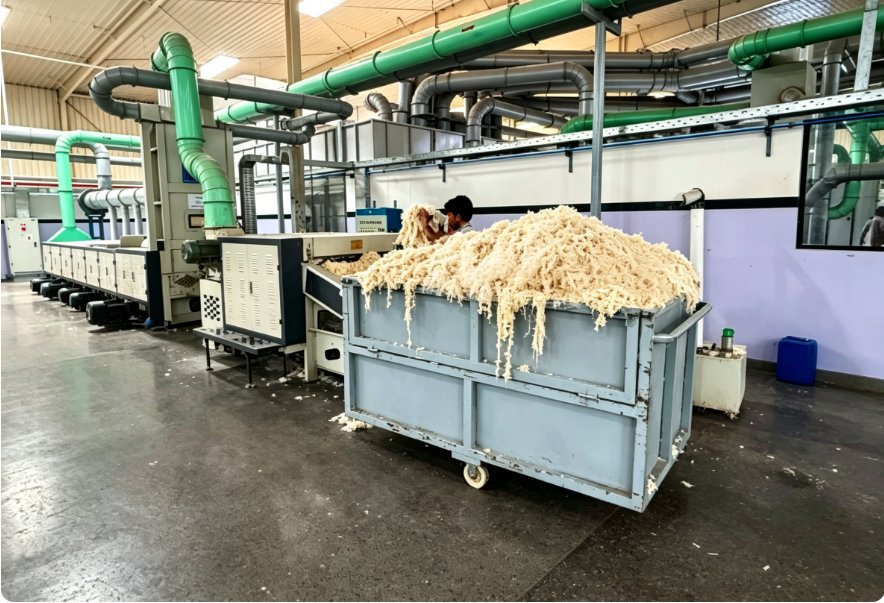
Jinan Morinte Machinery
Morinte Machinery is based in Jinan, the Spring City, specializing in textile fiber machinery.
We integrate R&D, production and service, providing high-quality machines and efficient support to global customers.
Our main products include textile waste recycling machines, fiber opening & cutting machines, baling machines, blow room equipment, quilt machines and spinning machinery parts.
Our products have been exported to Pakistan, Bangladesh, India, Egypt, Europe, the US, Russia, Australia and beyond, with complete local after-sales service.
FAQ
1. Q:What's the minimum order quantity?
A:We can start with just 1 machine. We focus on finding the right fit for you
2. Q:What are your payment terms?
A:Standard terms are 30% deposit, 70% balance before shipment. We also accept Letters of Credit (L/C).
3. Q:How long is the delivery time?
A:For standard models, about 30-45 days. Custom machines may take a bit longer.
4. Q:What documents do you provide for customs?
A:Everything needed: Commercial Invoice, Packing List, Bill of Lading, Certificate of Origin, etc. We're experienced with export requirements.
5. Q:Can I see my machine before it ships?
A:Yes! We will send you testing photos and videos for your approval.
If you have any questions or needs about the product, please fill in the following form and we will contact you as soon as possible.